How to Choose the Right DJ for Any Event

Published:
November 20, 2023
Last Updated:
August 29, 2026
DJ & Emcee
Private
Corporate
School

When planning an event, entertainment can have a major impact on the overall guest experience. A great DJ does much more than play music—they help set the tone, manage energy levels, keep events on schedule, and create memorable moments for guests. Knowing what qualities to look for can help you choose a DJ who aligns with your event goals, audience, and overall vision. However, the qualities that make a DJ successful can vary depending on the type of event. From weddings and corporate functions to private parties and nightlife events, understanding what to look for in a DJ can help ensure your event is a success.

Key Takeaways
  • Different types of events require different DJ skills and experience.
  • Great DJs know how to read a crowd and adapt to changing energy levels.
  • Music selection, professionalism, and communication are essential qualities.
  • Technical expertise helps ensure a smooth and reliable performance.
  • The best DJs create experiences, not just playlists.

Understanding the Event's Purpose and Atmosphere

Every event has its own goals, audience, and desired atmosphere. A successful DJ understands how to tailor their approach to fit the occasion rather than using the same playlist and performance style for every event. 

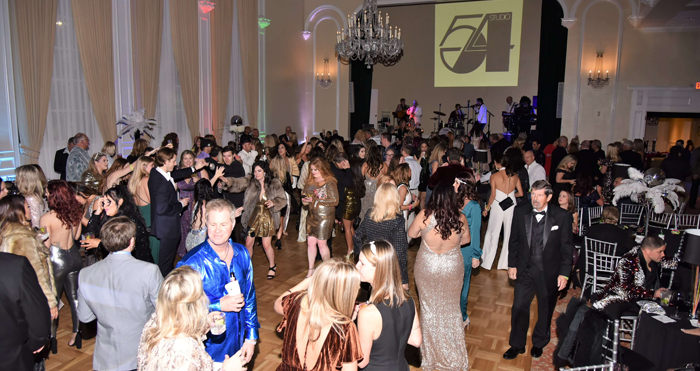
Corporate Events and Fundraisers

Corporate events often require a balance between professionalism and entertainment. Unlike weddings or parties, the focus is frequently on networking, presentations, recognition, or fundraising efforts.

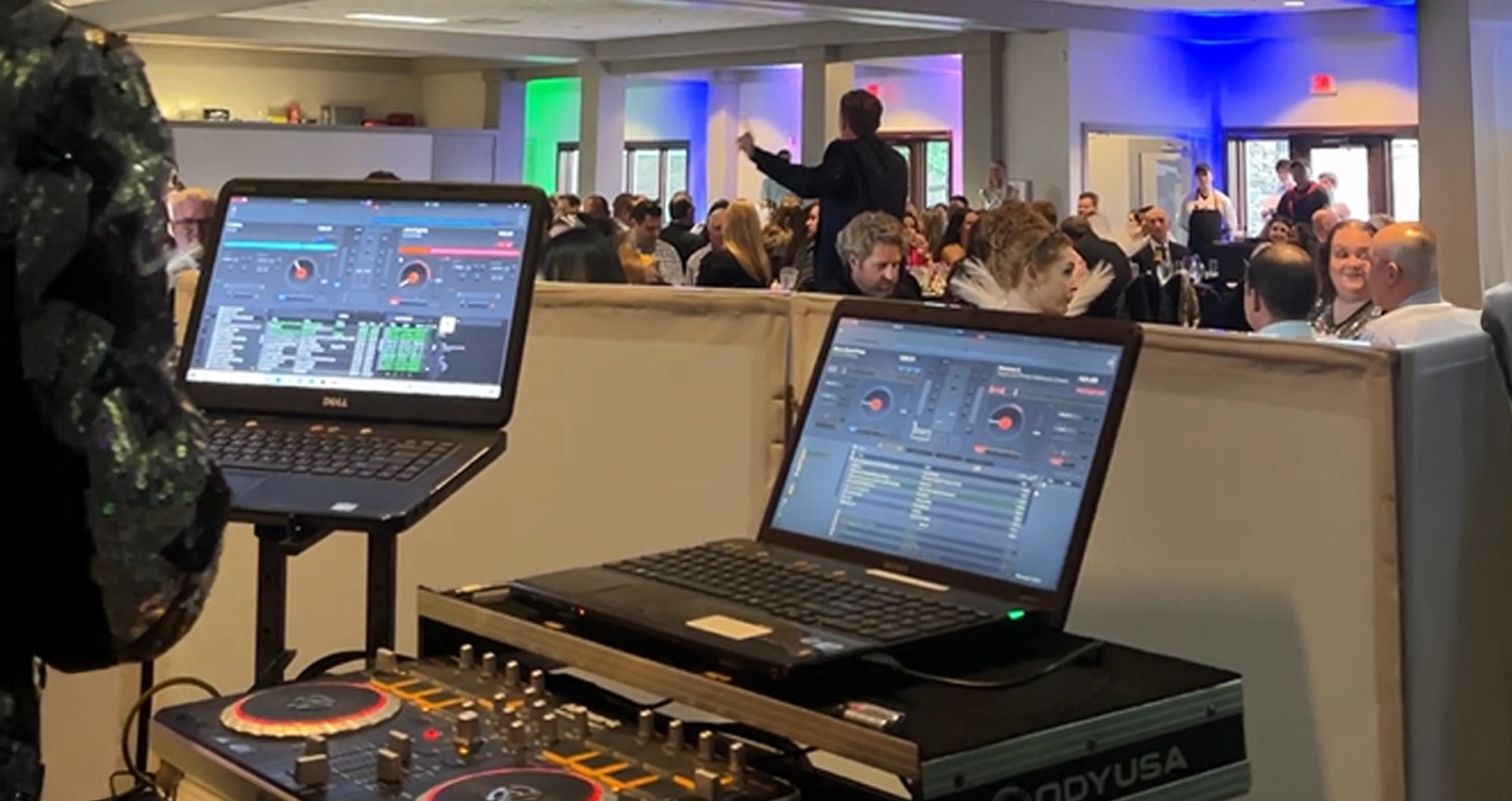
A great corporate event DJ understands how to provide the right atmosphere without becoming the center of attention. They know when background music is appropriate, how to support presentations, and how to maintain a polished and professional presence throughout the event.

Weddings

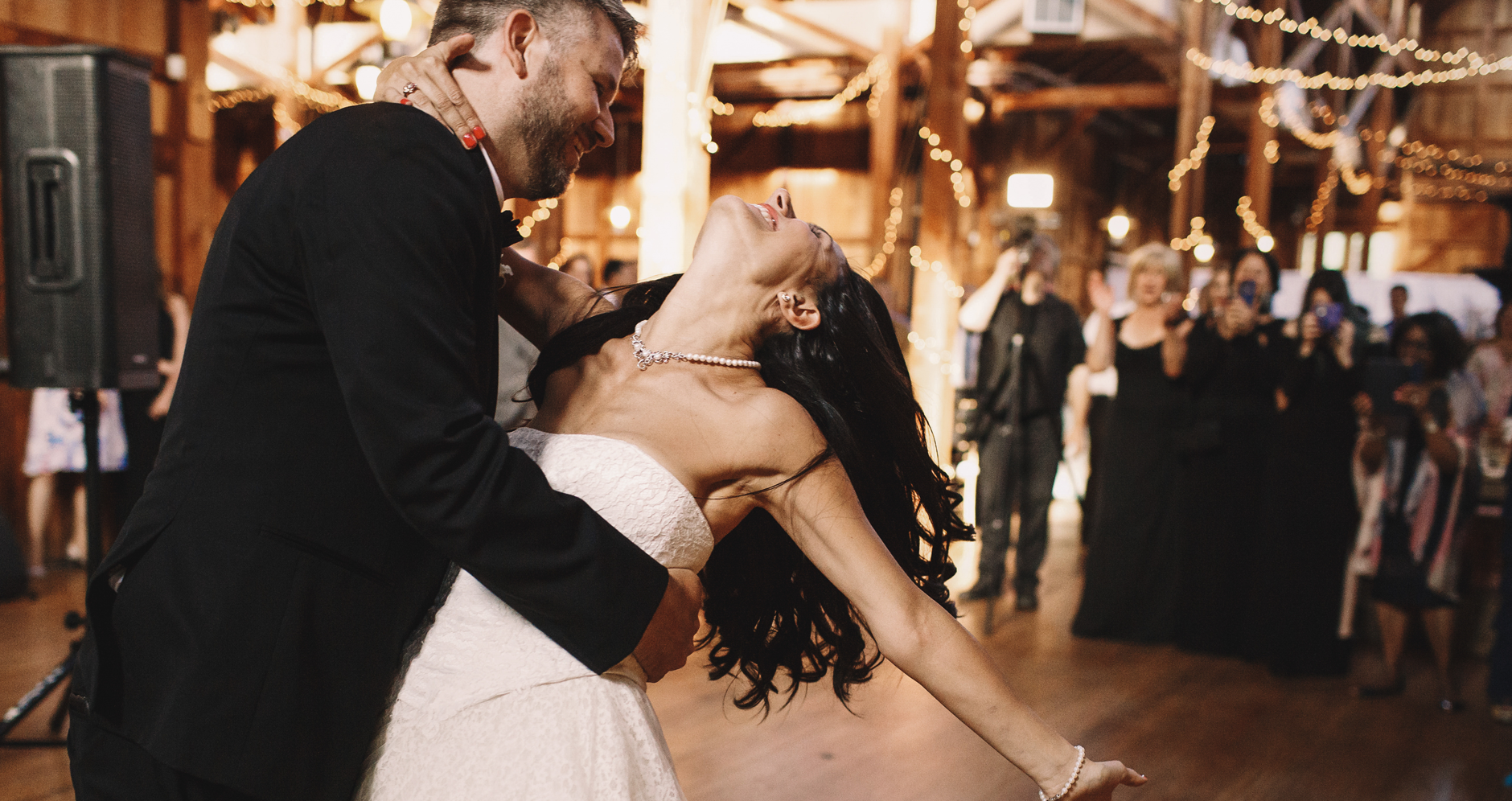
Weddings require DJs to wear multiple hats throughout the celebration. In addition to providing music, many wedding DJs also serve as MCs, coordinate timelines, and work closely with photographers, videographers, planners, and venue staff. Key qualities include:

  • Versatility across multiple music genres
  • Strong emcee and announcement skills
  • Ability to adapt to changing timelines
  • Experience coordinating special moments such as introductions, dances, and speeches

Club-Style Events

Nightlife and club-style events place a greater emphasis on performance, mixing ability, and energy management. Key qualities include:

  • Advanced beatmatching and mixing skills
  • Strong understanding of music trends
  • Ability to build and maintain dance floor energy
  • Stage presence and crowd engagement

Private Parties

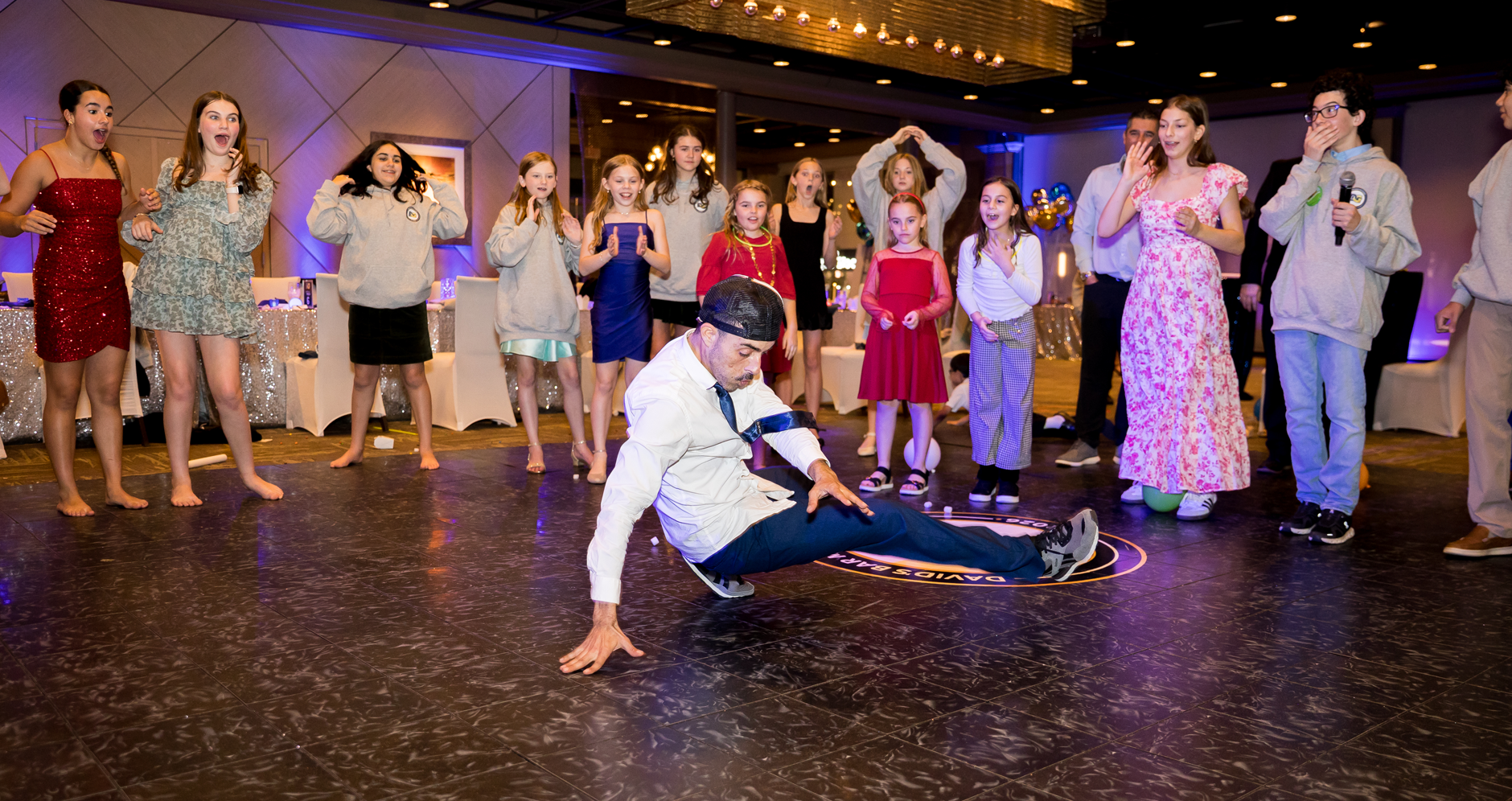
Private celebrations often require a more personalized approach. Whether it's a birthday party, anniversary, graduation, or holiday gathering, the DJ should be able to customize the experience around the host's vision. Key qualities include:
  • Personalized playlists
  • Audience interaction
  • Flexibility with requests
  • Ability to create a fun and engaging atmosphere

Music Selection and Event Flow

One of the most important skills any DJ possesses is knowing what music to play and when to play it. Great DJs understand that successful events are about more than simply creating a playlist—they are about creating an experience. The right song at the right moment can energize a dance floor, create an emotional connection, or help transition guests seamlessly from one part of an event to the next. By combining extensive music knowledge with an understanding of event flow, a skilled DJ helps maintain momentum and keeps guests engaged throughout the celebration. 
  • Versatility: A versatile DJ can move seamlessly between genres, decades, and styles to appeal to a wide range of guests. This flexibility is especially important at weddings and mixed-age events where musical preferences can vary significantly. 
  • Music Knowledge: Great DJs don't simply play popular songs. They understand how different genres, tempos, and eras influence crowd energy and guest engagement. They aren’t just someone who plays music; they are curators, educators, and trendsetters. Their deep understanding of music allows them to set the right mood, read the crowd effectively, create seamless mixes and mashups, handle requests graciously, craft unique experiences, collaborate with live musicians, and stay ahead of musical trends.
  • Song Flow: Music should feel intentional throughout an event. From cocktail hour and dinner music to peak dance floor moments, a skilled DJ has the ability to seamlessly transition between tracks, maintain the energy on the dancefloor, and keep the crowd captivated.This is what sets apart an average DJ from a truly exceptional one.

Technical Skills and Equipment Matter

Behind every great event is reliable equipment and technical expertise. Even the most talented DJ can only perform at their best when supported by quality sound systems, dependable technology, and a strong understanding of how to use them effectively. From delivering clear audio and seamless transitions to troubleshooting unexpected issues, technical skills play a critical role in creating a professional and enjoyable experience for both clients and guests. 
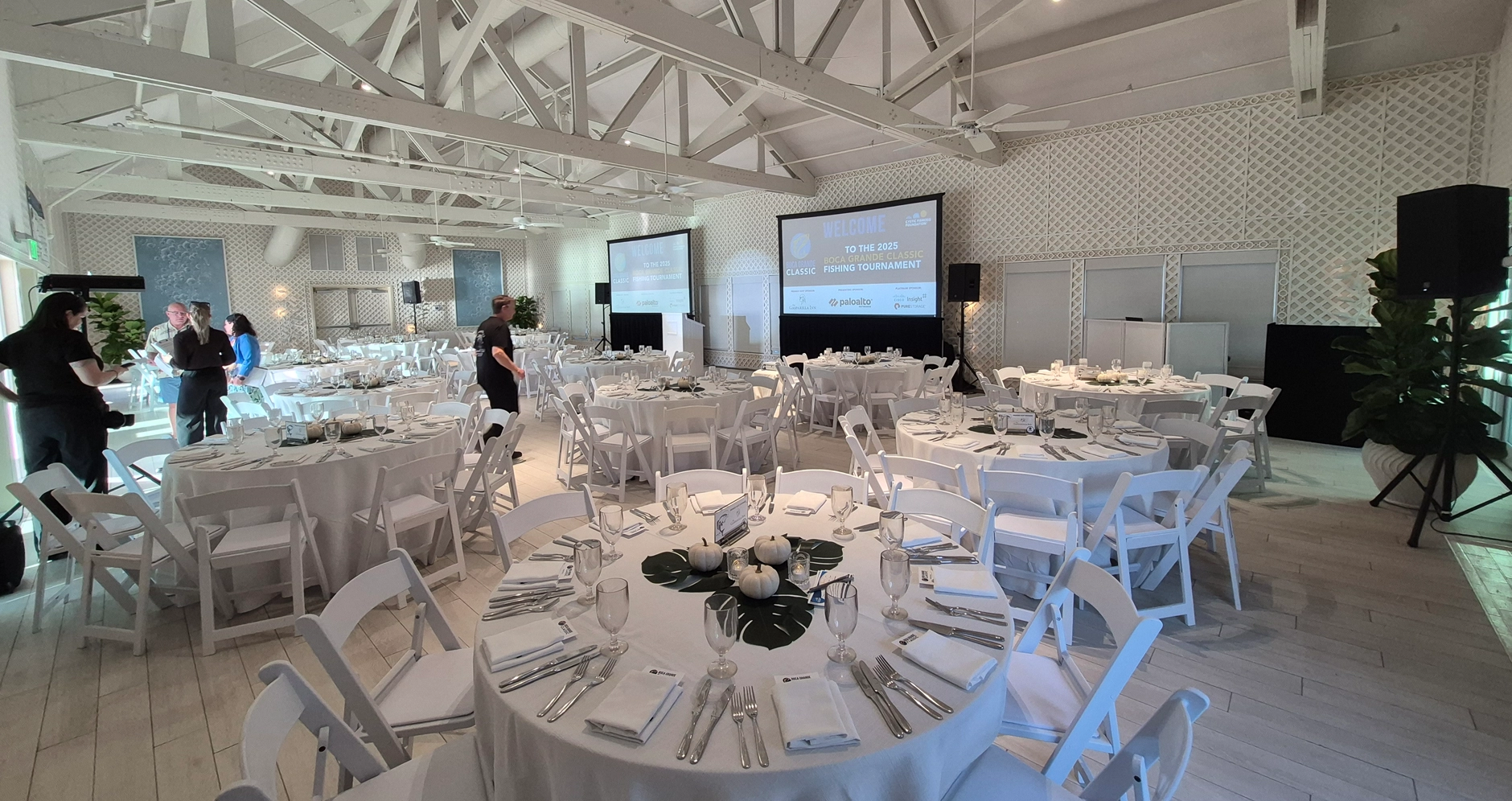
  • Professional Sound Quality: Clear audio is essential for both music and announcements. Professional DJs invest in quality sound systems and understand how to adjust equipment based on venue size and acoustics. 
  • Mixing and Transitions: Smooth transitions between songs help maintain energy and prevent awkward interruptions. Strong mixing skills create a more polished entertainment experience. An experienced DJ has mastered beatmatching skills of aligning the beats per minute (BPM) of two songs, allowing for smooth transitions between tracks. 
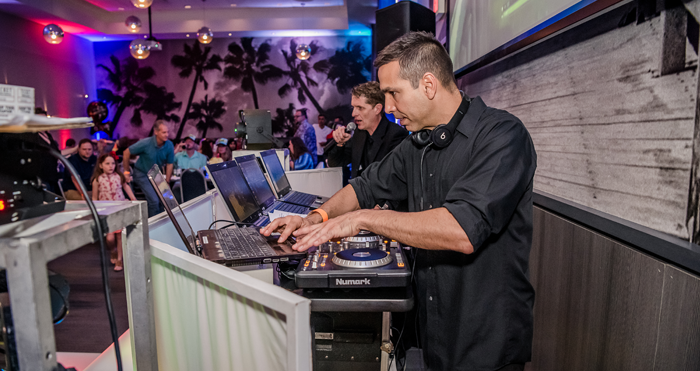
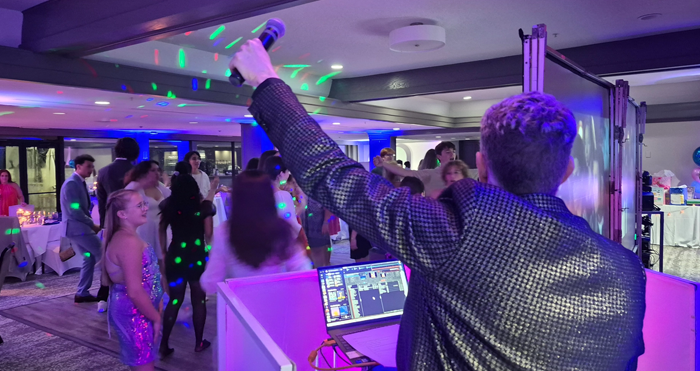
  • Knowledge of DJ Software: Modern DJs rely on advanced software, digital music libraries, wireless microphones, lighting systems, and event technology. Technical proficiency helps ensure everything operates smoothly throughout the event.

Reading the Crowd and Keeping Guests Engaged

The ability to read a crowd is often what separates a good DJ from a great one. While technical skills and music knowledge are important, understanding how guests are responding in real time allows a DJ to make adjustments that keep the event moving in the right direction. By observing the energy of the room, recognizing which songs resonate with the audience, and knowing when to change pace, a skilled DJ helps create an experience that keeps guests engaged from beginning to end. 

  • Managing Energy Levels: Successful events have natural highs and lows. A skilled DJ understands when to build excitement, when to slow things down, and how to keep guests engaged throughout the celebration. Knowledgeable DJs know how to build energy levels on the dance floor throughout the event.
  • Adapting Song Selection: No playlist should be completely fixed. Great DJs pay attention to guest reactions and adjust music choices accordingly. This ability ensures that guests remain enthusiastic and engaged throughout the event.
  • Effective Microphone Skills: Whether making announcements, introducing speakers, or encouraging guests onto the dance floor, strong microphone skills help create a more organized and engaging event. While not always necessary, some events may require a DJ who can confidently use a microphone for announcements, introductions, or engaging with the crowd.

Professionalism and Communication Skills

Technical skills and music knowledge are important, but professionalism is equally critical when hiring a DJ.

A professional DJ arrives prepared, communicates clearly, and works collaboratively with event organizers and vendors. They understand the importance of punctuality, appropriate attire, and maintaining a positive attitude throughout the event.

Strong communication also helps ensure expectations are aligned before the event begins. By discussing timelines, music preferences, special requests, and event goals in advance, a DJ can create a more customized and successful experience for clients and guests alike.
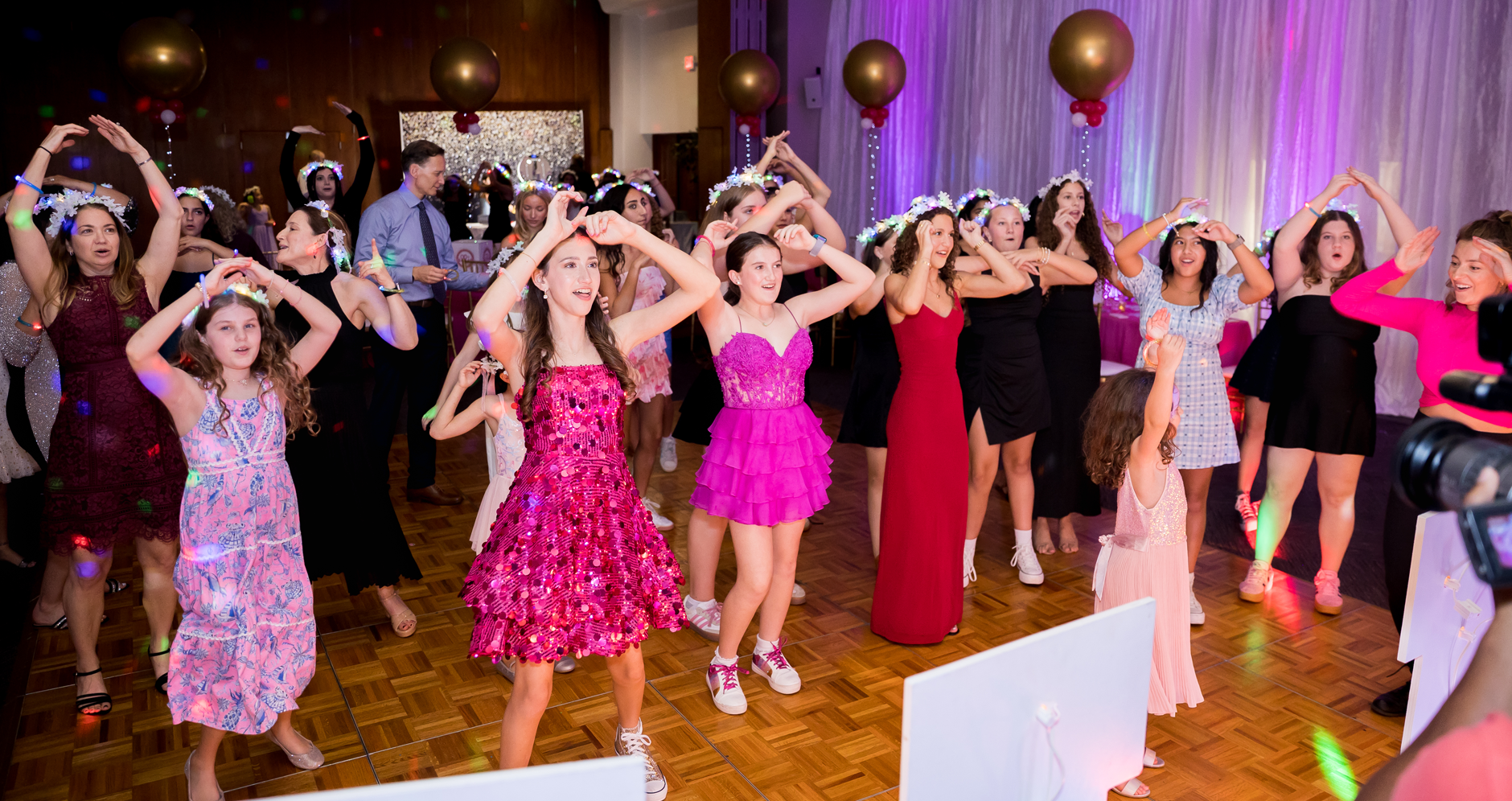
Beyond the Music: Creating Memorable Experiences

Today's DJs often contribute much more than music alone. Many provide MC services, event lighting, photo booth rentals, and coordination support that help create a complete entertainment experience.

The best DJs understand that guests rarely remember individual songs—they remember how the event felt. By combining music, energy, professionalism, and experience, a great DJ helps create moments that guests will talk about long after the celebration ends.

Conclusion

Choosing the right DJ involves more than comparing playlists or pricing. Different events require different strengths, and understanding those differences can help you find the right entertainment partner for your celebration.

Whether you're planning a wedding, corporate event, fundraiser, private party, or club-style gathering, a great DJ brings far more than music to the table. They help manage the atmosphere, engage guests, and create an unforgettable experience from beginning to end.

FREQUENTLY ASKED QUESTIONS

What qualities should I look for in a DJ?
Look for experience, music knowledge, crowd-reading ability, professionalism, communication skills, and reliable equipment.
Is a wedding DJ different from a corporate event DJ?
Yes. Wedding DJs often serve as emcees and coordinate special moments, while corporate DJs focus more on professionalism, event flow, and supporting presentations or networking.
How important is a DJ's music library?
A large and diverse music library allows DJs to accommodate different tastes, requests, and event styles while keeping guests engaged. A limited library = a limited event.
Can a DJ help with more than just music?
Absolutely. Many professional DJs also provide MC services, lighting, event coordination, and entertainment enhancements.
Why is the ability to read the crowd important for DJs?
Reading the crowd allows DJs to adjust music selections and energy levels in real time, helping keep guests engaged throughout the full event and the minute elements moving smoothly.

RELATED ARTICLES