.png)
When planning a wedding, corporate event, fundraiser, school dance, or private celebration, you'll likely hear the terms DJ and MC used frequently. While some people assume they perform the same function, each role serves a distinct purpose in creating a successful event.
A professional DJ focuses on music, atmosphere, and energy, while an Emcee focuses on communication, guest engagement, and event flow. Together, they help create a seamless experience that keeps guests entertained, informed, and engaged throughout the event. Understanding the differences between these roles can help you make informed decisions when planning your celebration and ensure every aspect of the event runs smoothly.
A successful event is about more than great music or a packed dance floor. It requires thoughtful coordination, clear communication, smooth transitions, and an atmosphere that keeps guests engaged from beginning to end.
While DJs and MCs often work closely together, if not performed by the same person, they bring different skill sets to the event. Understanding how each role contributes can help you determine what type of entertainment and event support best fits your needs.

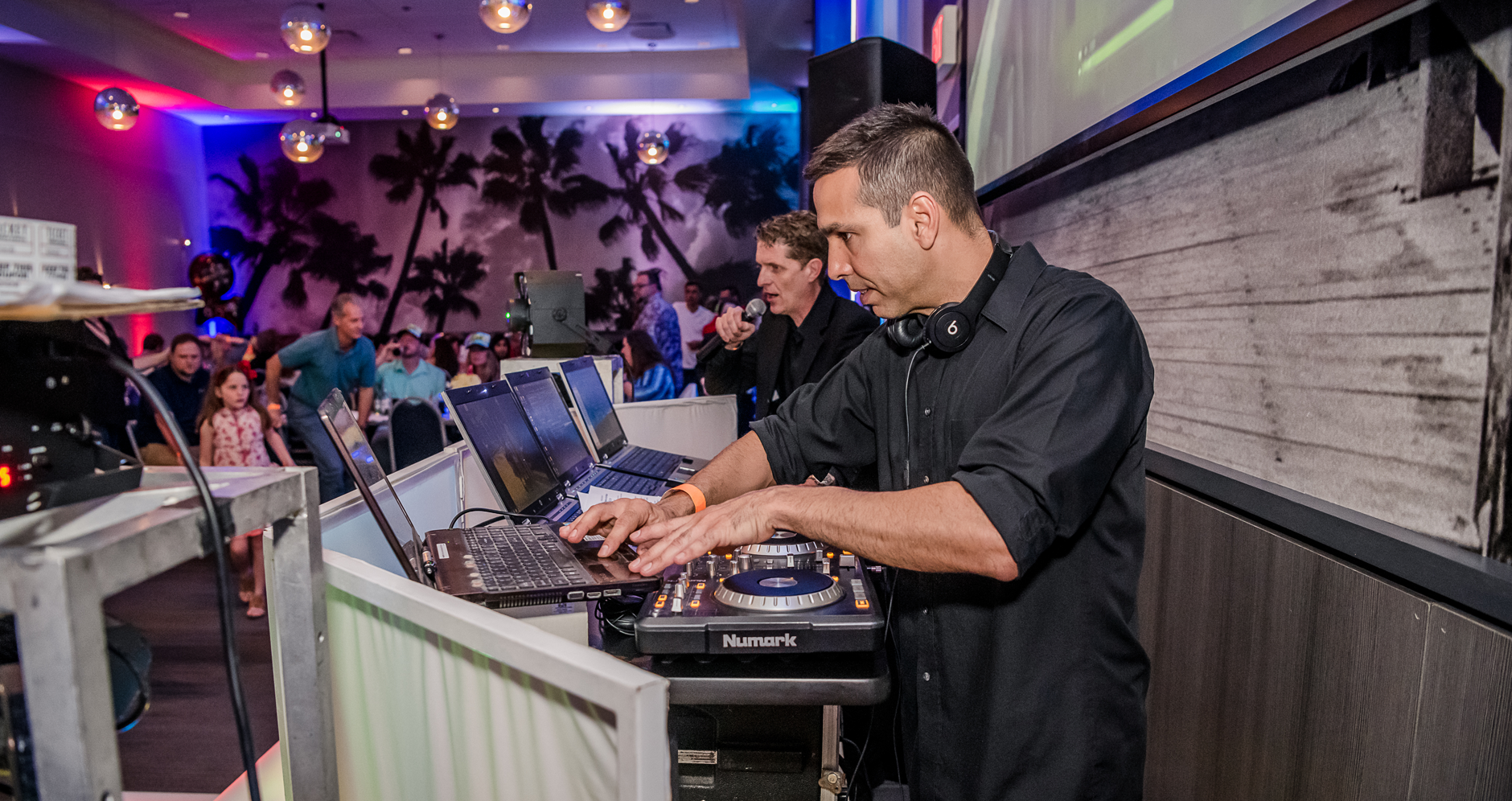
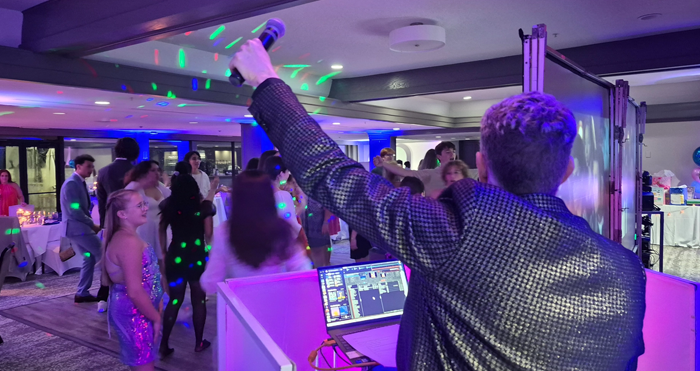
A professional DJ specializes in and is responsible for creating the soundtrack of your event. Through music selection, technical expertise, and crowd awareness, they help shape the atmosphere and maintain the energy throughout the celebration. Their primary role is to create a seamless flow of music throughout an event and entertain the crowd. Here are some key aspects of a DJs role:
One of the most important responsibilities of a DJ is choosing the right music at the right time. Professional DJs understand how different genres, tempos, and songs influence the mood of an event. Key responsibilities include:
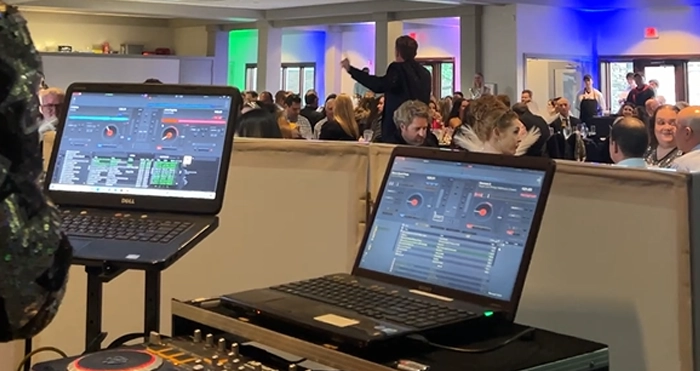
Beyond music selection, DJs are responsible for delivering professional-quality sound throughout the event. Their technical expertise helps ensure every announcement, speech, and song is heard clearly by guests. A skilled DJ manages:
One of the qualities that separates a good DJ from a great DJ is the ability to read the room. While guests are enjoying the event, a professional DJ is constantly paying attention to how people are responding to the music, the atmosphere, and the energy of the celebration. From dance floor participation and guest interactions to subtle shifts in energy throughout the room, every reaction provides valuable insight into what is working and what may need to change.
By observing these cues in real time, experienced DJs can adjust song selections, change the pace, introduce a different genre, or build momentum when the moment calls for it. This ability to adapt on the fly helps keep guests engaged, maintains the flow of the event, and creates an experience that feels natural rather than scripted.
Professional DJs do much more than simply press play. They help create smooth transitions and a continuous flow of entertainment that keeps guests immersed in the experience. They use techniques such as:
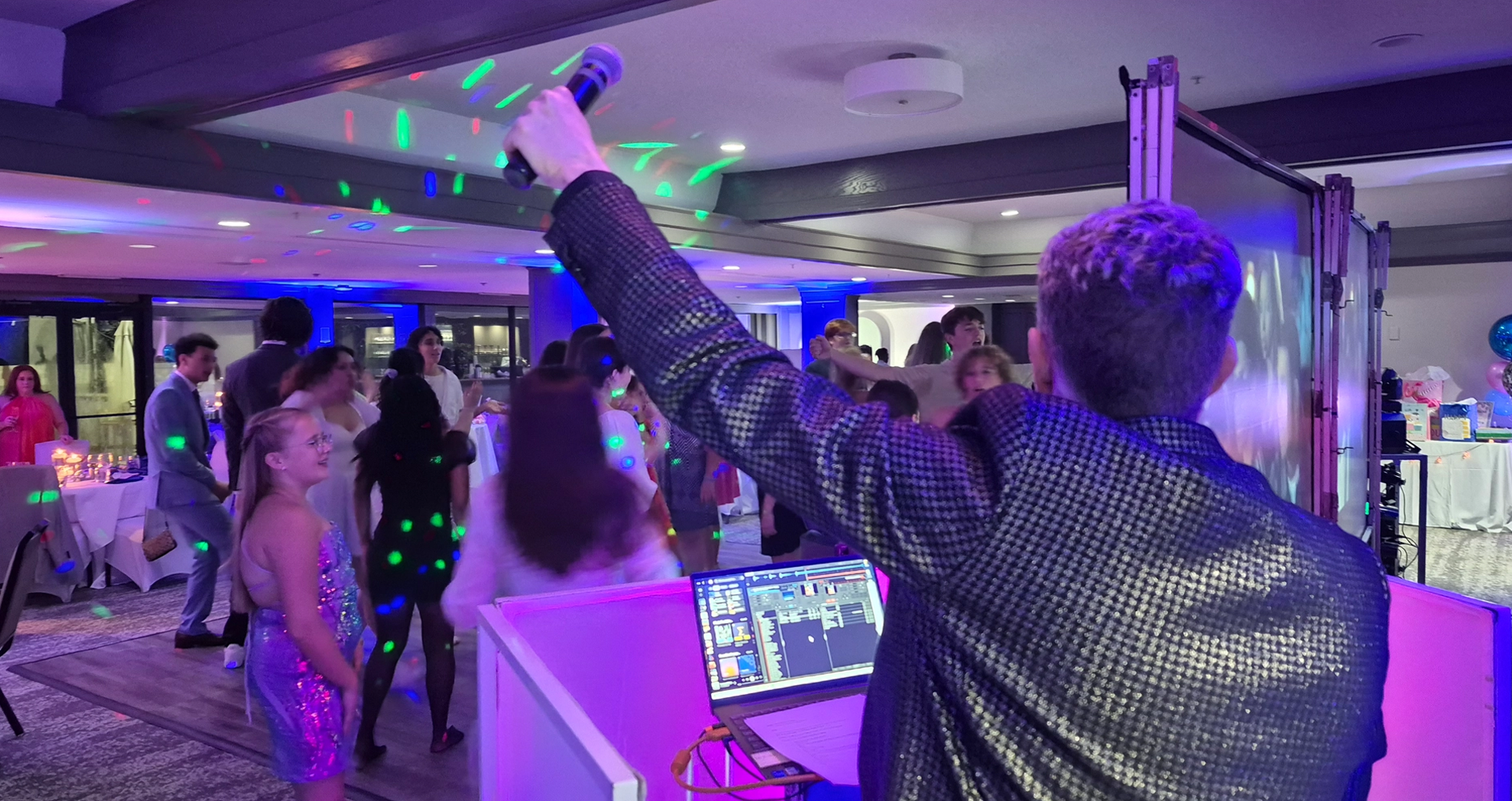
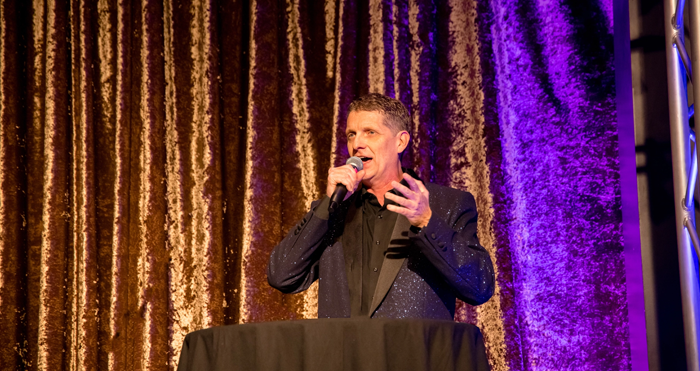
While the DJ focuses on music and atmosphere, the Emcee (MC) focuses on communication, coordination, and guest engagement. A professional MC acts as the voice of the event, helping guide guests through important moments while maintaining energy and excitement.
The role of an Emcee extends beyond just being a presenter or host. The MC acts as a bridge between the event organizers, performers, and the audience. They are responsible for setting the tone, maintaining the flow, and ensuring that everyone feels engaged and entertained throughout the event.
An MC needs to have exceptional public speaking skills to deliver captivating introductions for each segment of the event, ensuring that the audience is well-informed about what is happening and why it is important. A well-crafted introduction sets the stage for a successful event. Clear communication helps create a smooth and organized experience for everyone in attendance. Common responsibilities include:
Events often include multiple activities, transitions, and scheduled moments that must happen at specific times. Their guidance helps maintain momentum throughout the event, keeping the guests engaged throughout the event. An MC helps by:
A great Emcee knows how to connect with guests and encourage participation throughout an event. While some responsibilities involve making announcements or introducing key moments, the true value of an Emcee lies in their ability to create an engaging and welcoming atmosphere. Through their personality, communication skills, and presence, they help guests feel comfortable, involved, and excited about what's happening around them.
Whether building anticipation before a grand entrance, encouraging participation during interactive activities, or maintaining positive energy between event segments, an experienced MC helps keep guests connected to the celebration. Their ability to read the room, adapt to the audience, and create meaningful interactions contributes significantly to the overall guest experience.
While both roles contribute to the success of an event, their primary responsibilities are quite different. Think of it this way - the DJ manages the soundtrack of the event while the MC manages the experience between the songs. Together, they create a seamless and memorable celebration.
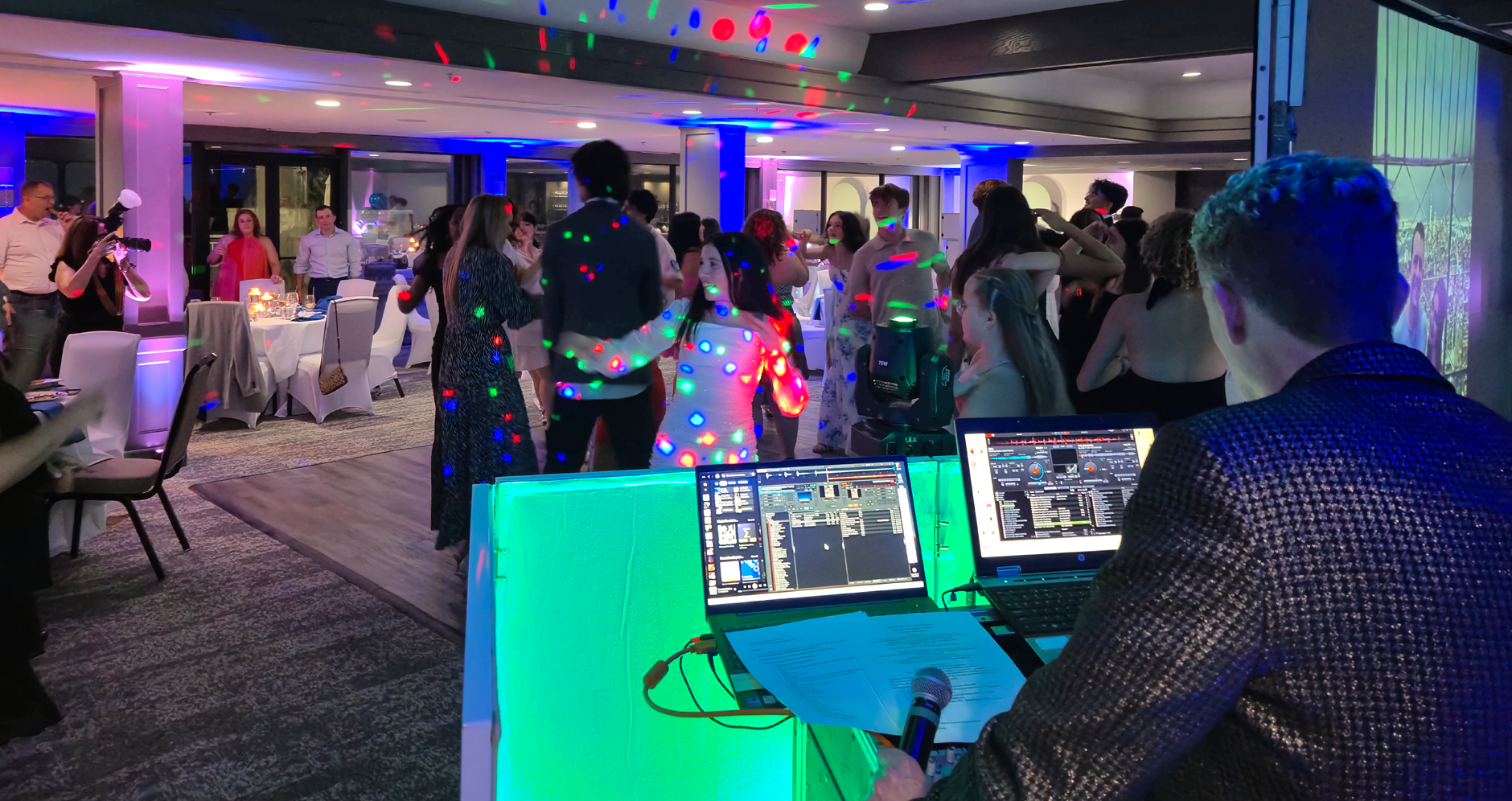
Although their responsibilities differ, DJs and MCs often work as a team to create a successful event. Their collaboration can greatly enhance the success of an event and elevate the guest experience.
Successful events require constant communication between the DJ and MC. Before and during the event, they coordinate announcements, timelines, music cues, and special moments.
Whether introducing the wedding party, transitioning from dinner to dancing, or preparing for speeches, DJs and MCs work together to ensure every moment flows naturally, They maintain a smooth flow of activities during an event through more than just talking such as the DJ taking cues from the MC to understand when to start or stop playing music. This coordination ensures seamless transitions between different parts of the event,
While the MC interacts directly with guests, the DJ supports those interactions through carefully selected music and audio cues that help build excitement and maintain momentum. By combining their skills, DJs and MCs create an immersive experience for guests. The DJ sets the tone with carefully selected music, while the MC interacts with the crowd, encouraging them to dance, participate in activities, and enjoy themselves throughout the event. This dynamic duo keeps the energy high and ensures everyone has a memorable experience.
During the event itself, a DJ and an MC should work together as a cohesive team. The DJ supports the MC by providing the background music when needed or adjusting the tempo to match the MCs energy level. Conversely, the MC can introduce the DJs performance or engage with the crowd during song transitions. Together, the DJ and MC help eliminate confusion, reduce downtime, and create a polished event that keeps guests entertained and engaged.
The answer often depends on the type of event you're planning.
To make events easier and more cost effective, our team at DJ Tampa offer both services wrapped into one person. Our DJs are also trained as Master of Ceremonies (MCs). They can do both, one or the other.
While DJs and MCs serve different purposes, both play important roles in creating successful events. DJs focus on music, atmosphere, and energy, while MCs focus on communication, coordination, and guest engagement.
When these roles work together, they help create a seamless experience that keeps guests informed, entertained, and fully immersed in the celebration. Understanding the difference between a DJ and an MC can help you choose the right combination of services and ensure your event runs smoothly from beginning to end.



_White_53x53_WebP.webp)
