
.png)

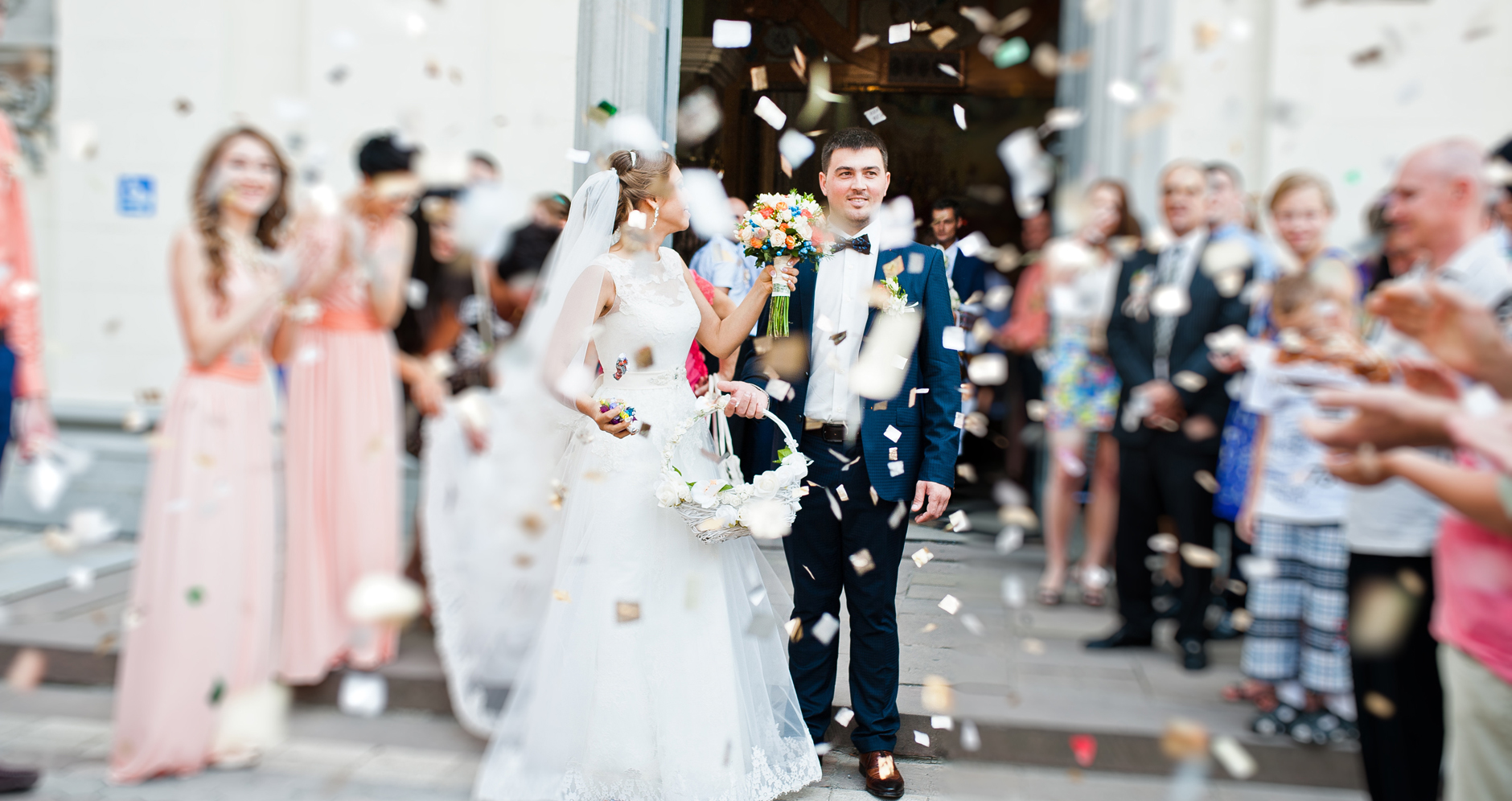
In this article, we delve into the world of confetti, a staple in wedding celebrations. From traditional rice to modern biodegradable options, discover the diverse range of confetti types available for adding a touch of joy and festivity to your special day. Join us as we explore the significance, history, and eco-friendly alternatives of confetti, providing you with inspiration for creating memorable moments on your wedding day.
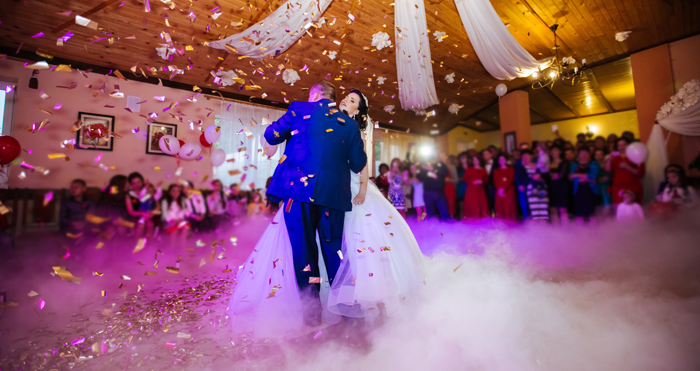
Confetti has long been a symbol of joy and celebration, dating back to ancient times. The tradition of throwing confetti at weddings is believed to have originated in Italy during the Renaissance period. In Italy, small grains of rice or wheat were thrown at newlyweds to symbolize fertility, prosperity, and good luck. Over time, this practice evolved into using colorful paper confetti or flower petals, adding a festive and decorative element to weddings.
The custom of throwing confetti at weddings spread across Europe and eventually to other parts of the world. Today, confetti is a common element in wedding ceremonies worldwide, representing wishes of happiness, abundance, and prosperity for the newlywed couple. The act of showering the bride and groom with confetti is a joyful tradition that continues to be a cherished part of wedding celebrations, symbolizing the beginning of a new chapter filled with love and good fortune.

If you still want to incorporate the traditional confetti, but feel concerned about the modern environmental impact, biodegradable confetti is an excellent option. You can also rest easy, all confetti used by Staar Entertainment is biodegradable flutter-fetti.
Biodegradable confetti is a type of confetti made from materials that can naturally break down and decompose over time. Unlike traditional confetti, which often contains plastic or metallic components, biodegradable confetti is designed to minimize its impact on the environment. It is typically made from materials such as recycled paper, leaves, or even dried flower petals.
Some benefits for using biodegradable confetti include:

One of the most popular confetti alternatives is using flower petals or leaves, and was originally part of the beginning of the tradition. Not only are they beautiful, but they also add a touch of nature and romance to your event. You can choose petals from your favorite flowers or go for a mix of colors to create a stunning visual effect. Consider using dried petals for easier cleanup, or stick with fresh petals if you're willing to put in the extra effort.
One of the main advantages of using real flower petals as an alternative for confetti is their eco-friendliness. Unlike traditional confetti made of paper or plastic, flower petals are biodegradable and pose no harm to the environment, pedals fall off trees and bushes all the time! They decompose naturally, leaving no trace behind. By choosing flower petals or leaves, you can reduce your environmental impact and contribute to a more sustainable future.
Another benefit of using flower petals is their cost-effectiveness. While traditional confetti can be expensive, especially if you need a large quantity, flower petals can be an affordable alternative. You can either purchase them from local florists or even collect them from your own garden or a local park. This budget-friendly option allows you to create a magical atmosphere without breaking the bank.
Below are a few ideas for incorporating flower petals into any event:
Bonus Substitution: For those that want to be able to reuse flower petals, there are companies that make artificial petals that are already loose, in a variety of colors. They are large enough to be easily collected and re-used for various events. However, this takes the relief of not having to clean up post event away, as fake petals will need to be properly cleaned up.
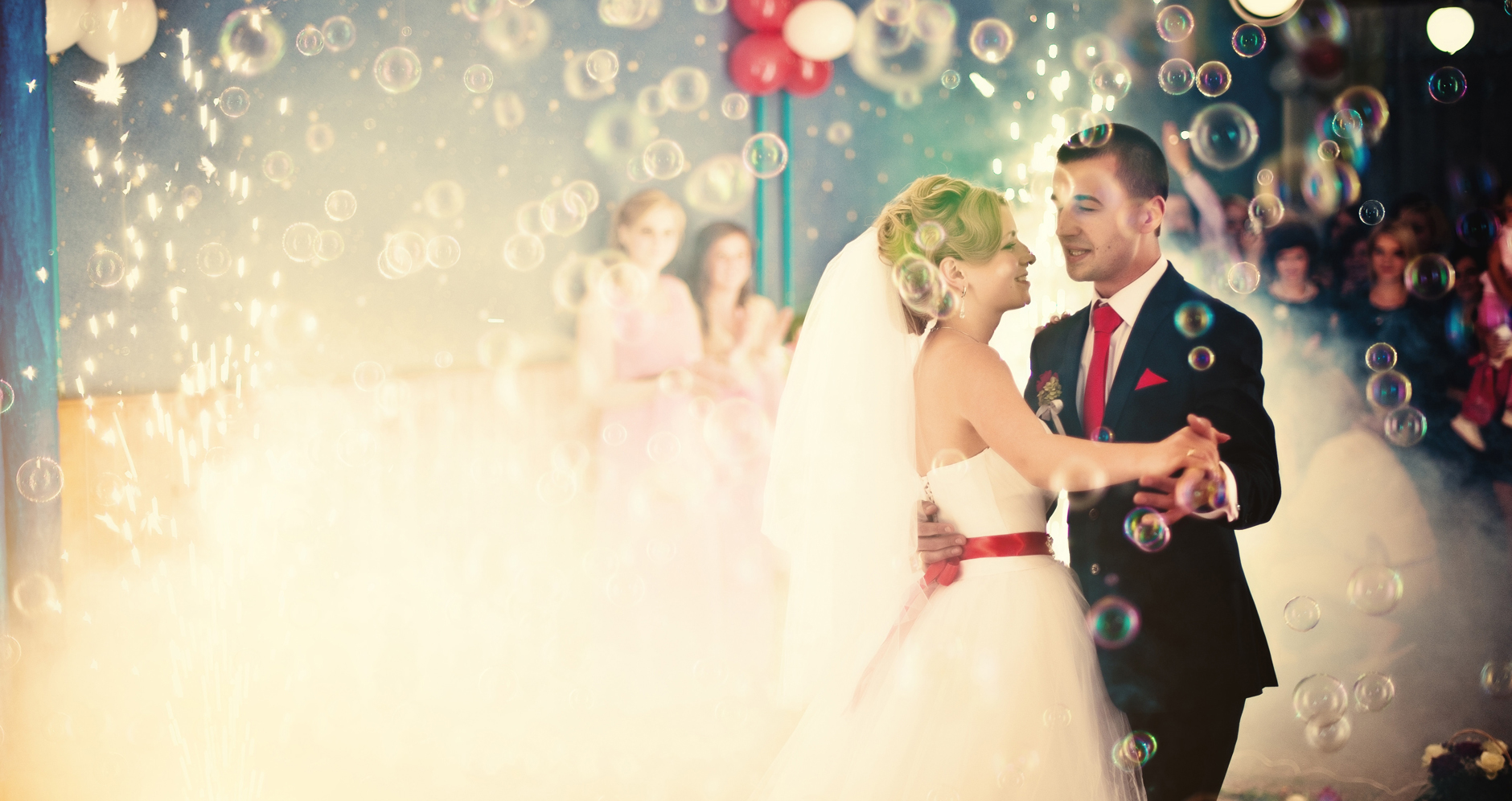
Bubbles, also known as bubble confetti or bubble blowers, is a playful and whimsical alternative to traditional confetti. Instead of using small pieces of paper or plastic, bubble confetti involves blowing bubbles to create a magical and celebratory atmosphere.
Unlike regular bubbles, bubble solutions specific for confetti is specifically designed to produce larger and longer-lasting bubbles that can even carry vibrant colors. These bubbles can be blown using specialized bubble wands or machines, making it easy to create a stunning visual display.
Using bubble confetti as an alternative for traditional confetti offers several benefits, including:
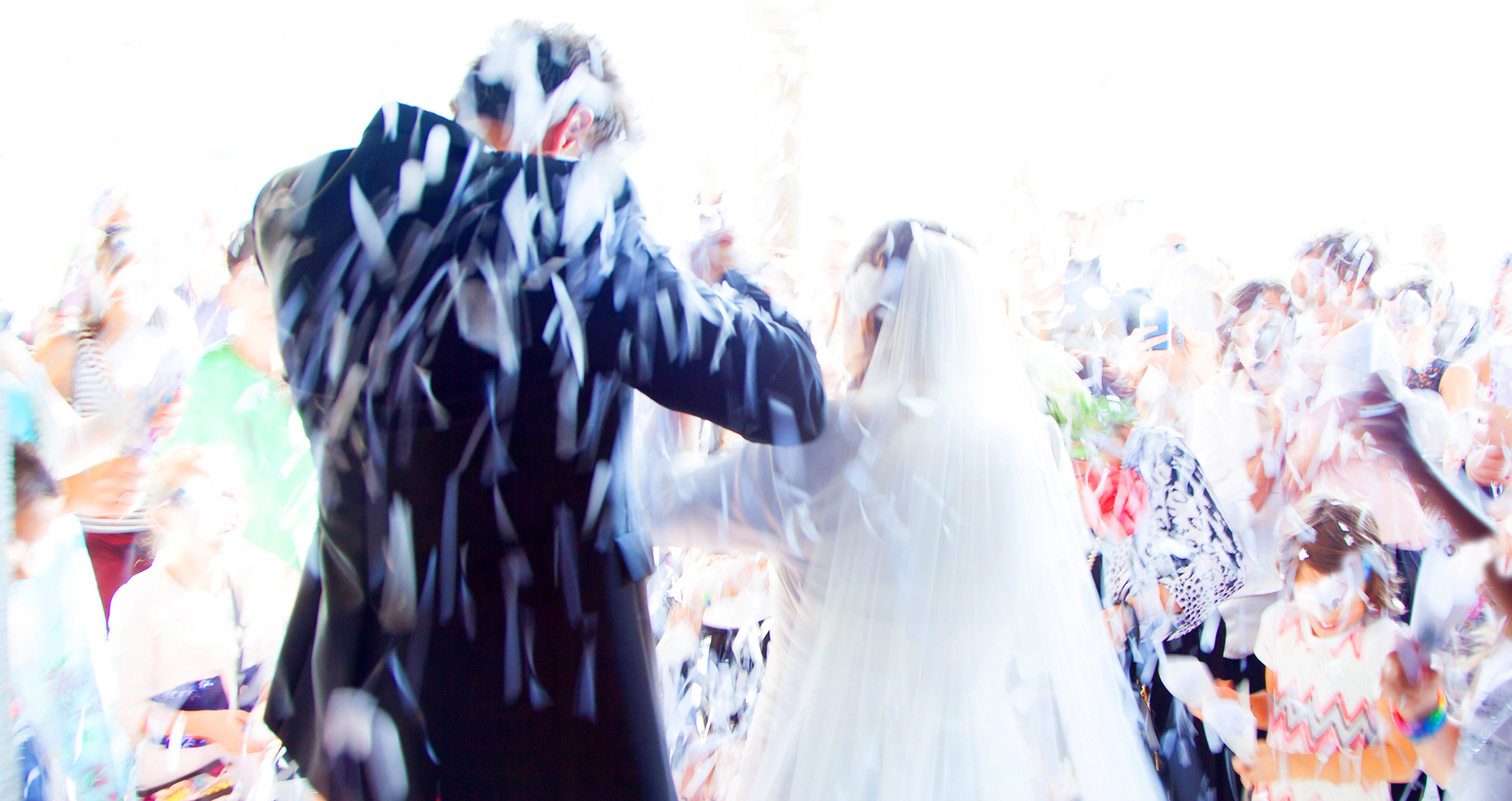
Using rice as confetti has been a popular choice for celebrations like weddings and festivals since the beginning, due to its affordability and biodegradability. However, there was a long-standing myth that throwing rice at events could be harmful to birds and other wildlife. The belief was that birds would eat the uncooked rice, which would then expand in their stomachs and cause harm. This led to concerns about using rice as confetti, with many opting for alternative options like paper confetti or flower petals.
Recent studies and research have debunked the myth that rice is harmful to wildlife. It has been found that uncooked rice is actually a safe and natural option for confetti. The idea that birds would eat the rice and suffer from stomach issues is unfounded, as birds have been observed to digest rice without any adverse effects. This revelation has brought back the use of rice as confetti, allowing for a traditional and eco-friendly choice for celebratory events.
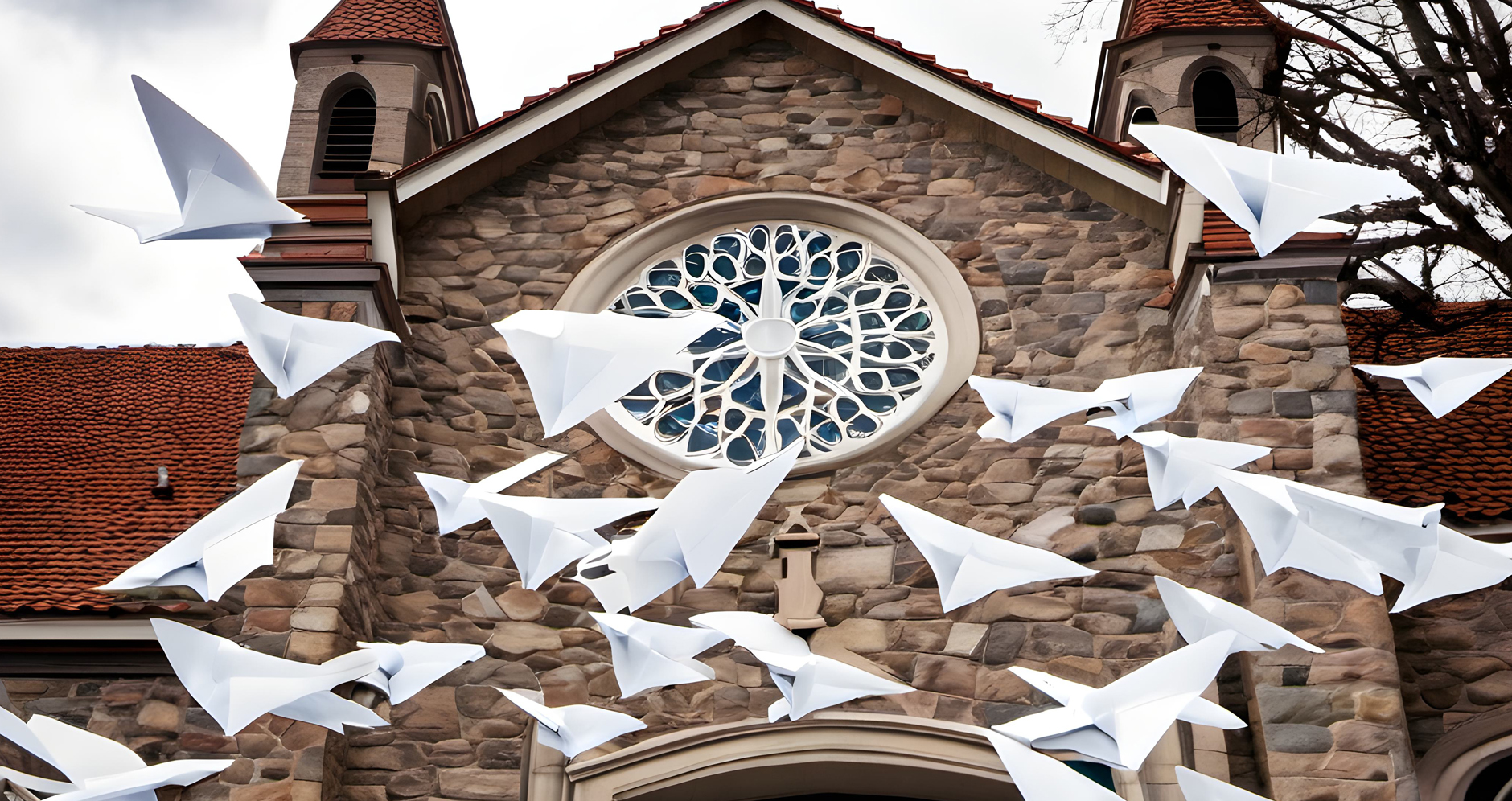
This idea works particularly well for couples who love traveling or have a playful spirit.
Paper airplanes, also known as "paper darts," have a long and fascinating history. The exact origins are uncertain, but it is believed that the concept of flying paper objects can be traced back to ancient China. The Chinese are credited with inventing paper around 105 AD, and it wasn't long after that they began experimenting with folding it into various shapes, known as Origami, including gliders. Creating paper airplanes requires some skill and practice.
Here are a few tips to help you get started:
Origami, the Japanese art of paper folding, plays a significant role in the world of paper airplanes. The word "origami" comes from the Japanese words "ori" (fold) and "kami" (paper). This ancient tradition dates back to the 6th century when it was introduced to Japan by Buddhist monks from China. Origami is not just about folding paper; it involves precision, patience, and creativity. By carefully following instructions or using your imagination, you can transform a simple sheet of paper into intricate and beautiful shapes.
There are some benefits in using origami instead of traditional confetti:
When it comes to adding a touch of celebration to your event, confetti alternatives can truly elevate the experience. Whether you opt for flower petals, bubbles, paper airplanes, or rice; each alternative will create beautiful memories that will last a lifetime. These alternatives will ensure that your special day stands out in the memories of your guests.
Get creative with your choices and make your wedding an unforgettable celebration! By considering these creative alternatives to traditional confetti, you can add a unique and personal touch to your wedding, or other event.




_White_53x53_WebP.webp)
